In this article
Sample article. This text is placeholder guidance written to demonstrate the page layout.
Access control answers a simple question: who is allowed in, where and when? The answer can be as basic as a guard and a register, or as advanced as card readers and barriers. The right choice depends on the site, not on what looks most impressive.
Start with the risk, not the gadget
A small office with a handful of regular staff has very different needs from a campus with thousands of daily visitors. Before choosing equipment, decide what you are protecting, who needs to reach it and what would happen if the wrong person did.
Common methods
- Manned gate with a visitor register – flexible, personal and easy to adapt, but only as consistent as the people and the process behind it.
- Identity cards and passes – make it easy to recognise who belongs, especially when worn visibly.
- Card, keypad or biometric readers – control specific doors and keep a record of who used them.
- Barriers and turnstiles – manage the flow of vehicles or people at busy entrances.
Keep a human in the loop
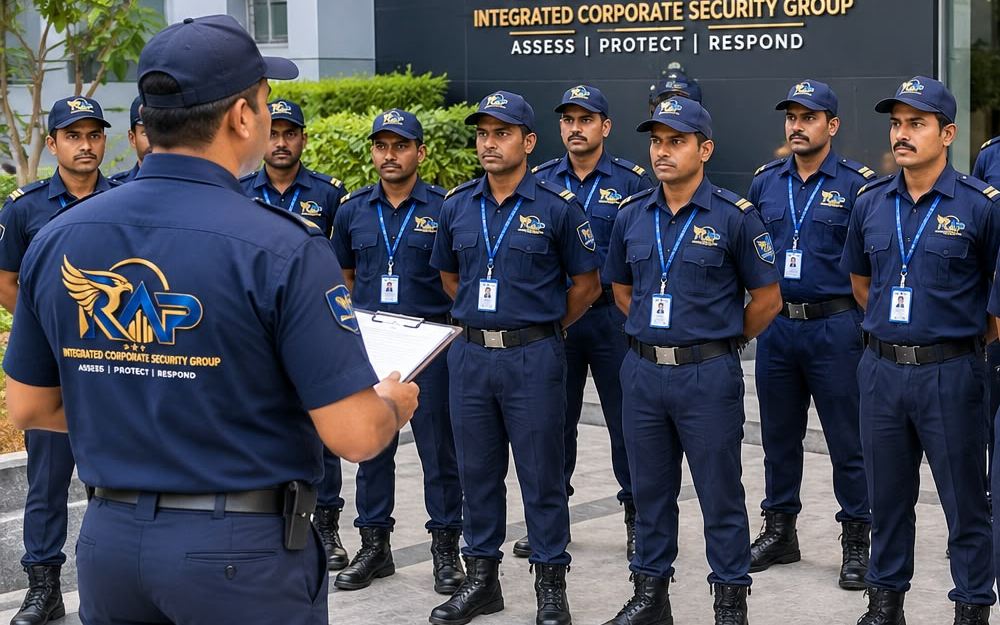
Technology works best alongside trained people. Someone should be able to help a visitor, handle an exception and respond if a reader fails or a card is lost.
Equipment decides who gets through. Procedure and people decide what happens when something unusual arrives at the gate.
Questions worth asking before you decide
- How many people and vehicles pass through at the busiest time?
- Which areas truly need restricted access?
- How will visitors, contractors and deliveries be recorded?
- What is the backup plan if the system stops working?
- Who will maintain it and review the records?