In this article
Sample article. This text is placeholder guidance written to demonstrate the page layout.
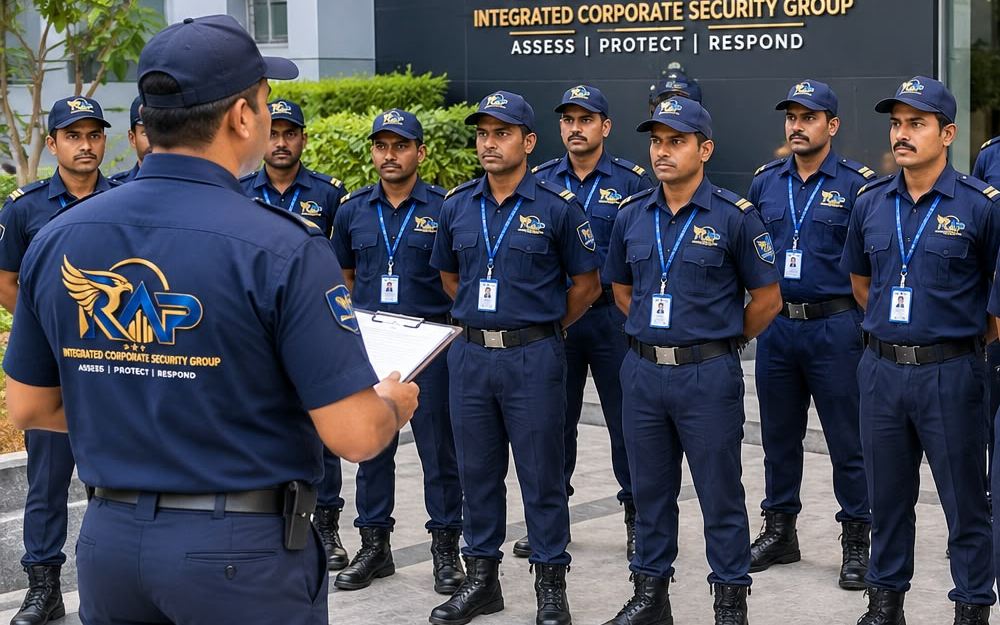
People judge a security team within seconds of walking in. The way a guard stands, speaks and responds shapes how safe a building feels long before anything goes wrong. Discipline is what makes that impression consistent.
Presentation and readiness
A clean uniform, a visible identity card and a well-kept post say that someone is paying attention. They also make it easy for visitors and staff to know whom to ask for help.
Alertness at the post
Most shifts are quiet, which is exactly when attention drifts. Disciplined guards stay on their feet, watch the entrance rather than a phone, and make small, regular checks of their area instead of waiting to be told.
Courtesy under pressure
Security is often the first face of an organisation. A guard who greets visitors politely, explains the procedure calmly and stays composed when someone is impatient protects both the premises and the reputation of the people inside.
Discipline is not rigidity. It is doing the right thing the same way, every shift, whether or not anyone is watching.
Knowing the procedure
Confidence comes from clarity. Guards who have read the post orders and rehearsed what to do for a visitor without an appointment, an unattended bag or an alarm can act quickly instead of improvising.
Supervision and support
- Regular visits from a supervisor to every post
- Short briefings at the start of each shift
- A simple way to report problems and ask questions
- Feedback that recognises good work as well as correcting mistakes
Discipline is built and maintained by the whole team around the guard, not only by the guard alone.